Predictive Pump Maintenance Strategies for Uninterrupted Water Delivery
Role of Vibration Analysis in Pump Maintenance
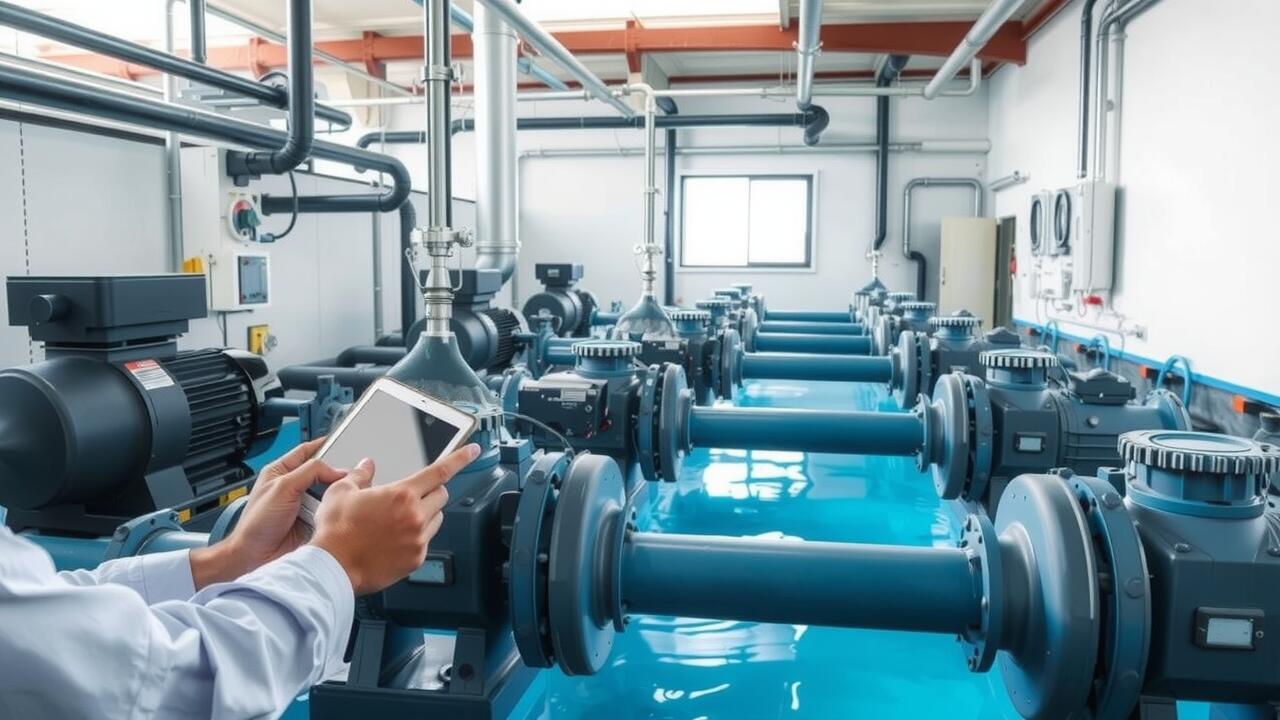
Vibration analysis is an incredible tool that empowers maintenance teams to stay ahead of potential issues and ensure optimal pump performance. It works by capturing the vibrations produced by pumps during operation. These vibrations can reveal a wealth of information about the equipment's condition. By analyzing vibration patterns, technicians can detect anomalies that indicate wear or misalignment long before a catastrophic failure occurs. The excitement builds as operators realize this proactive approach can champion efficiency and reliability.
This method transforms the world of water treatment generator maintenance from reactive to predictive, leading to enhanced uptime and reduced costs. Facilities equipped with vibration analysis are well-positioned to respond to early warning signs. Technicians can quickly pinpoint the source of issues, allowing for timely interventions. This not only mitigates the risk of unplanned downtime, but it also fosters a sense of confidence within the maintenance team. Embracing vibration analysis as a core component of maintenance strategy elevates water delivery to a new level of dependability!
How Vibration Data Predicts Performance Issues
Vibration analysis is a treasure trove of insights for pump maintenance! By monitoring vibrations in pumps, operators can detect irregularities that signal potential issues. These fluctuations can reveal everything from misalignments to worn bearings. With advanced sensors and analytic tools, the once-hidden patterns emerge, allowing for early intervention. The thrill comes from knowing that catching these signs early can prevent costly breakdowns and ensure seamless operations for water delivery.
Imagine a scenario where every tiny vibration tells a story. It’s like having a crystal ball that predicts when a pump might fail. Regularly collecting and analyzing vibration data empowers maintenance teams to implement proactive strategies rather than reactive ones. The rush of identifying an impending mechanical failure before it escalates is not just satisfying; it significantly enhances the reliability of water systems. Harnessing this information transforms maintenance from a box-checking task to an exciting journey of predicting and preventing issues!
Cost-Effectiveness of Predictive Maintenance
Investing in predictive maintenance transforms operational efficiency and drastically reduces costs! By identifying potential pump failures before they occur, organizations can optimize maintenance schedules, minimizing both downtime and repair expenses. Traditional maintenance practices often lead to costly emergency repairs that disrupt water delivery and strain resources. Predictive maintenance empowers companies to stay ahead of issues, ensuring smooth and uninterrupted operations.
The long-term financial benefits are staggering and often surpass initial investment costs! Businesses experience improved asset longevity and increased productivity. Moreover, the data-driven insights from predictive analytics enable more accurate budgeting for maintenance activities. This proactive approach not only results in significant savings but also enhances the overall reliability of water delivery systems, making it a smart choice for forward-thinking organizations eager to maximize their resources.
Analyzing Long-Term Financial Benefits
Investing in predictive maintenance strategies can revolutionize a water utility's financial landscape. By significantly reducing unplanned downtime and extending the lifespan of pumps, organizations can witness a remarkable decrease in repair and replacement costs. Where traditional maintenance models might drain budgets with emergency repairs, predictive maintenance creates a proactive approach that saves both time and money. The predictability of maintenance schedules allows for better financial forecasting and resource allocation, ensuring that funds are spent efficiently.
Moreover, enhanced operational efficiency leads to increased customer satisfaction and loyalty. Reliable water delivery promotes a strong public image, vital for any utility. With fewer service interruptions, utilities can avoid potential fines and legal costs associated with non-compliance to contractual obligations. By tracking the financial metrics associated with predictive maintenance, utilities often find that the upfront investment pays dividends through improved efficiency and reduced operational risks. Embracing this forward-thinking strategy positions organizations not just for survival but for thriving in an increasingly competitive landscape.
Real-World Case Studies
In a bustling water treatment facility in California, a remarkable transformation took place through the implementation of predictive pump maintenance strategies. Using advanced vibration analysis, the team detected early signs of wear in one of their critical pumps. This proactive approach not only averted a potential failure but also significantly reduced downtime, allowing the facility to maintain seamless water delivery to its community. The enthusiasm among staff was palpable as they witnessed firsthand how technology could enhance operational efficiency.
Another striking example comes from a municipal water supplier in Texas, where embracing predictive maintenance techniques turned out to be a game-changer. By continuously monitoring pump performance and analyzing trends, operators identified a recurring issue with a series of pumps. Addressing this problem ahead of time resulted in substantial cost savings and optimized performance. The team's excitement grew as they realized they were not just saving money; they were also ensuring the reliability of the water supply for thousands of residents, reinforcing their commitment to community service.
Success Stories in Predictive Pump Maintenance
A major water utility in California recently transformed its pump maintenance approach, resulting in remarkable efficiency gains. By implementing predictive maintenance techniques, the team saw a 30% reduction in unplanned outages. Utilizing vibration analysis technology allowed them to detect potential failures before they escalated into costly production stoppages. The excitement of catching issues early energized the staff and reinforced a culture grounded in proactive rather than reactive measures.
Another inspiring success story comes from a manufacturing plant in Texas that relied heavily on its pumping systems. After integrating advanced monitoring tools, the facility slashed its maintenance costs by over 40%. Workers celebrated the newfound ability to address problems before they disrupted operations. The team felt empowered as they became part of the solution, turning data into actionable insights and ensuring uninterrupted service. These examples illustrate just how powerful predictive maintenance can be in elevating operational success.
Training Staff for Predictive Maintenance
Investing in staff training for predictive maintenance opens new doors for efficiency and innovation. With the right skills, team members can harness advanced technologies and analytical tools to anticipate pump issues before they occur. Empowering employees with knowledge of vibration analysis and data interpretation will enable them to become proactive problem-solvers. They will feel confident in diagnosing potential failures, leading to less downtime and a seamless water delivery system.
Engaging training sessions that incorporate hands-on experience and real-world scenarios can elevate staff enthusiasm. Encouraging continuous learning and skill development not only enhances individual capabilities but also fosters a collaborative atmosphere. Team members become motivated to share insights and strategies, creating a cohesive workforce ready to tackle challenges head-on. Embracing this dynamic approach transforms maintenance culture, ensuring a commitment to excellence and reliability in every pump operation.
Skills and Knowledge Required for Effective Implementation
Implementing predictive maintenance strategies requires a dynamic skill set that excites the entire team! Team members must become familiar with advanced diagnostic tools and adopt a problem-solving mindset. Familiarity with vibration analysis software and data collection methods empowers technicians to assess pump performance accurately. By understanding the subtleties of pump operation, staff can identify anomalies before they escalate into costly breakdowns. The thrill of mastering these technologies not only enhances their technical prowess but also boosts their confidence in addressing potential challenges head-on.
In addition to technical skills, effective communication plays a vital role in the success of a predictive maintenance program. Team collaboration ensures that insights gained from data analysis are shared across departments, promoting a culture of proactive maintenance. Encouraging critical thinking enables workers to contribute innovative ideas for further improving processes. By cultivating a learning environment, organizations can harness the full potential of their workforce, driving success in maintaining uninterrupted water delivery. The energy generated by a motivated team can significantly enhance operational efficiency and ultimately lead to greater customer satisfaction.
FAQS
What is predictive pump maintenance?
Predictive pump maintenance is a proactive approach that uses data analysis, particularly vibration analysis, to anticipate and address potential pump issues before they result in failures, ensuring smooth and uninterrupted water delivery.
How does vibration analysis help in pump maintenance?
Vibration analysis tracks the vibrational signatures of pumps, enabling technicians to identify performance issues early on. This data can reveal underlying problems like misalignments or wear, allowing for timely interventions.
What are the financial benefits of predictive maintenance?
Predictive maintenance can lead to significant cost savings by reducing downtime, extending equipment life, and minimizing repair costs. Analyzing long-term financial benefits shows that investing in predictive strategies often pays off handsomely!
Can you share any success stories about predictive pump maintenance?
Absolutely! Numerous industries have reported remarkable outcomes, such as major reductions in downtime and maintenance costs. These real-world case studies illustrate how companies leveraged predictive maintenance to enhance efficiency and reliability in water delivery.
What skills are necessary for staff to effectively implement predictive maintenance?
Staff training is crucial! Employees need to develop skills in data analysis, vibration monitoring, and troubleshooting techniques. Having a solid foundation in these areas empowers teams to apply predictive maintenance strategies effectively and confidently!