The Role of Stainless Steel in Advanced Wire Forming Solutions
Understanding Wire Forming Techniques
Overview of Wire Forming Processes
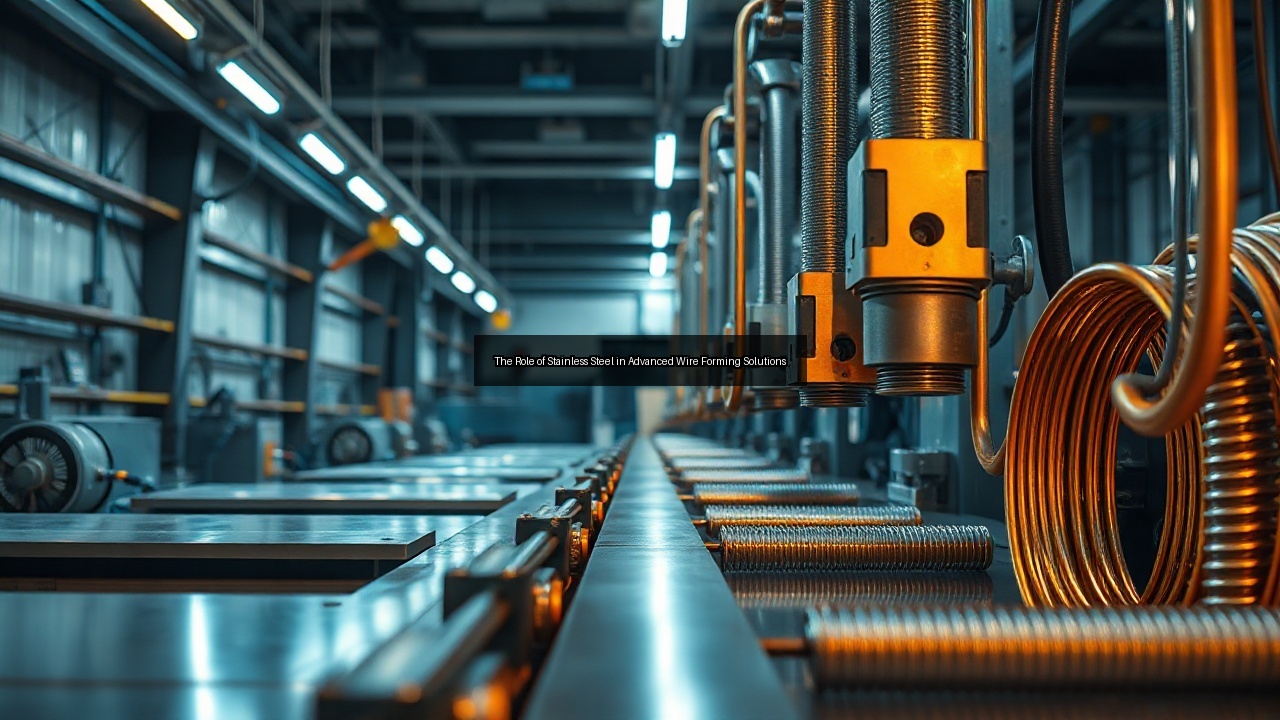
Wire forming shapes raw wires into precise components through bending, cutting, and twisting operations. Manufacturers rely on stainless steel for its consistent performance across high-volume production runs. The process begins with coil stock that feeds directly into automated lines, where extrusion and drawing refine the material before final shaping. Engineers track every diameter change to maintain structural integrity in the finished parts. This approach supports everything from simple hooks to complex assemblies used in demanding environments. Wire forming services now integrate data from each stage to optimize throughput and reduce waste.
Formed wire products appear in everyday items and specialized equipment alike. The wire forming process allows rapid adjustments when design specifications shift, giving teams flexibility without sacrificing output quality. Information gathered during initial runs guides later improvements in machine settings and material selection.
Key Wire Forming Methods
Common wire forming methods include four-slide forming, CNC bending, and manual fixturing for low-volume work. Each method handles different wire gauges and shapes with stainless steel stock. Threading operations add functional features directly on the wire, while coil springs emerge from winding stations that control tension and pitch. Machines equipped for these tasks process both round and shaped wire without extensive retooling. The choice of method depends on required tolerances and production volume.
Advanced lines combine multiple operations in one pass, cutting cycle times for formed wire components. Stainless steel responds well to these sequences because it resists work hardening that can crack other metals. Teams often test prototypes on the same equipment used for full runs to verify method suitability early.
Importance of Wire Diameter in Forming
Wire diameter directly influences bend radius, spring rate, and load capacity in every formed part. Stainless steel maintains tight diameter tolerances from the mill, which simplifies downstream engineering calculations. Operators measure incoming coil stock to confirm consistency before loading machines. Even small deviations affect threading depth or extrusion fit in assemblies. Accurate diameter data helps predict springback and prevents scrap during high-speed runs.
Designers specify diameter ranges when ordering custom wire forms to balance strength against weight. In practice, stainless steel wire at 0.5 mm to 6 mm covers most industrial needs while preserving flexibility for complex shapes. Suppliers provide certification for each heat to support traceability requirements.
The Advantages of Stainless Steel in Wire Forming
Corrosion Resistance and Durability
Stainless steel delivers superior corrosion resistance in wire forming applications exposed to moisture, chemicals, or salt. The alloy’s chromium content forms a passive layer that protects wires long after forming. Coil springs made from this material retain tension even after repeated cycles in harsh conditions. Manufacturers choose stainless grades over carbon steel when parts must survive cleaning cycles or outdoor exposure without plating.
Durability extends service life in medical and food equipment where contamination risks rise with surface degradation. Wire forming processes preserve this resistance because minimal heat input avoids carbide precipitation. Parts emerge ready for use with no additional surface treatment in many cases.
Strength and Flexibility of Stainless Steel
Stainless steel combines high tensile strength with enough ductility for intricate wire shapes. During forming, the material accepts tight radii without cracking, then work-hardens to final strength levels. This balance lets engineers create lightweight yet robust wire forms that replace heavier machined components. Coil springs benefit especially, delivering consistent force across temperature swings.
Flexibility during production reduces machine downtime from material failures. Stainless grades withstand drawing and extrusion steps that would fracture less forgiving alloys. The result is reliable performance in both static brackets and dynamic mechanisms.
Comparison with Other Materials
Compared with aluminum or mild steel, stainless steel wire forms offer longer life under load and better resistance to fatigue. Carbon steel requires coatings that can chip during forming, while stainless needs none. Brass and copper provide conductivity but lack the strength for structural wire shapes. Stainless steel also machines cleanly after forming, supporting secondary threading without burrs.
Cost analyses show stainless reduces total ownership expenses despite higher initial pricing. Wire forming capabilities with stainless eliminate plating steps and associated environmental controls. Many brands now standardize on stainless for both prototypes and production to simplify supply chains.
Applications of Wire Forming in Various Industries
Aerospace Industry Requirements
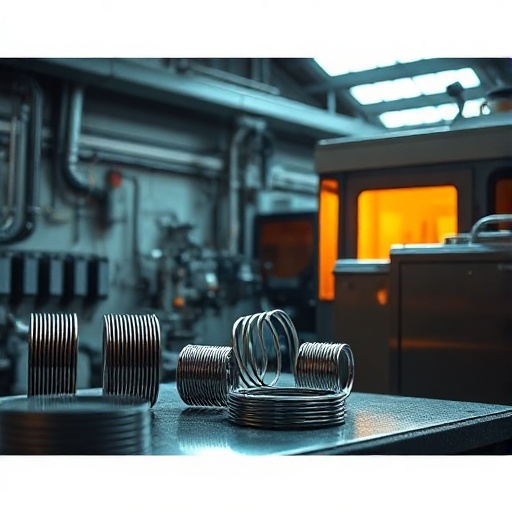
Aerospace demands wire forms that survive extreme temperatures and vibration while meeting strict weight limits. Stainless steel meets these needs through high strength-to-weight ratios and proven fatigue performance. Components such as safety clips, brackets, and control linkages undergo rigorous testing after wire forming. Computer numerical control machines produce the tight tolerances required for flight hardware.
Prototyping in stainless allows engineers to validate designs quickly before committing to titanium or superalloys. Every batch of aerospace wire forms carries full material traceability and inspection records. The material’s corrosion resistance eliminates additional protection layers that add weight.
Automotive Wire Forms
Automotive manufacturers use stainless steel wire forms for seat mechanisms, exhaust hangers, and sensor brackets. The wire forming process creates durable parts that resist road salt and engine heat. Coil springs in suspension systems benefit from stainless fatigue resistance over millions of cycles. Modern lines run continuously to supply high-volume assembly plants.
Wire forming services deliver just-in-time batches with consistent quality across multiple vehicle platforms. Stainless steel also supports lightweighting goals by replacing cast or stamped alternatives. Design teams incorporate formed wire early in vehicle engineering to reduce part count and assembly time.
Medical Device Manufacturing
Medical device makers depend on stainless steel wire forms for guidewires, stents, and surgical instruments. The material’s biocompatibility and cleanability meet regulatory standards without extra coatings. Precision wire forming produces fine diameters with smooth surfaces that reduce tissue trauma. Machines maintain tolerances measured in microns for these critical applications.
Prototyping and engineering teams iterate quickly on new device concepts using the same stainless stock specified for production. Threading and shaping operations create functional features directly in the wire. Full traceability supports FDA submissions and ongoing quality audits.
Modern Wire Forming Technologies
Role of Computer Numerical Control (CNC) in Wire Forming
Computer numerical control systems drive modern wire forming machines with repeatable accuracy. Operators program bend sequences, cut lengths, and threading positions directly from CAD files. Stainless steel responds predictably to CNC commands, allowing complex multi-plane shapes in single setups. This capability reduces secondary operations and improves part consistency across batches.
CNC integration also supports rapid changeovers between different wire diameters and alloys. Real-time monitoring captures process data that feeds continuous improvement efforts. Manufacturers achieve higher yields because the technology compensates for material variations automatically.
Advancements in Wire Shaping Machines
New wire shaping machines combine servo motors, vision inspection, and robotic handling in compact cells. These systems process stainless steel coil at speeds once reserved for dedicated lines. Extrusion and drawing modules now sit inline with forming stations, creating finished parts from raw stock in minutes. Adjustable tooling accommodates multiple diameters without long changeovers.
Brands investing in these machines report lower labor costs and improved ergonomics. Wire forming capabilities expand as machines handle larger wire sizes and tighter radii. The technology supports both high-volume runs and short prototype series on the same equipment.
Prototyping and Engineering in Wire Forming Solutions
Prototyping lets teams validate wire form designs before full production tooling. Stainless steel stock matches production grades, so test results translate directly to final parts. Engineering reviews focus on diameter selection, bend allowances, and tolerance stack-ups early in the process. Rapid iterations using CNC machines shorten development cycles significantly.
Collaborative engineering between designers and wire forming specialists uncovers cost-saving opportunities. Digital simulations predict springback and stress concentrations before any metal is cut. The result is robust wire forms that meet performance targets on the first production run.
Quality Control and Tolerances in Wire Forming
Importance of Precision in Wire Forming Parts
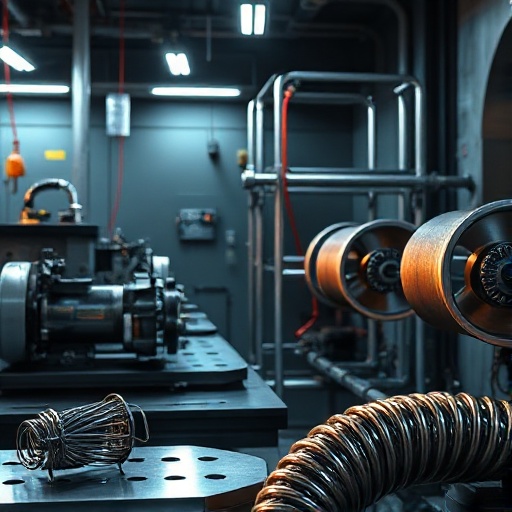
Precision determines whether wire forming parts fit and function in final assemblies. Stainless steel holds dimensions well after forming, yet every step must stay within specified tolerances. Even minor diameter variations can affect spring rates or insertion forces in medical and aerospace applications. Quality teams measure critical features at multiple stages to catch drift early.
Customers expect formed wire components to drop directly into automated assembly lines without adjustment. Consistent precision builds trust and reduces warranty claims. Wire forming processes that emphasize upfront control deliver higher overall equipment effectiveness.
Techniques for Ensuring Tolerances
Techniques for holding tolerances include in-process gauging, statistical process control, and fixture-based bending. Stainless steel’s stable properties help maintain repeatability once machines are dialed in. Operators adjust feed rates and bend angles based on real-time feedback from laser micrometers. Coil stock certification provides baseline diameter data that guides initial setups.
Threading and extrusion stations incorporate torque monitoring to verify feature integrity. Documentation of every adjustment supports root-cause analysis when deviations appear. These methods keep scrap rates low while meeting increasingly tight customer specifications.
Testing and Inspection Methods for Wire Forms
Testing and inspection methods for wire forms range from dimensional checks to destructive load tests on coil springs. Stainless steel parts undergo surface-finish scans and corrosion exposure trials when applications demand it. Automated vision systems scan formed wire for cracks or burrs at production speeds. Sample parts from each shift receive full first-article inspection before release.
Material certification and traceability records accompany every shipment. Engineering teams review inspection data to refine process parameters and improve future runs. This closed-loop approach ensures wire forming solutions continue to meet evolving industry standards.