The Impact of Vapor and Dust on Motor Behavior in Hazardous Environments
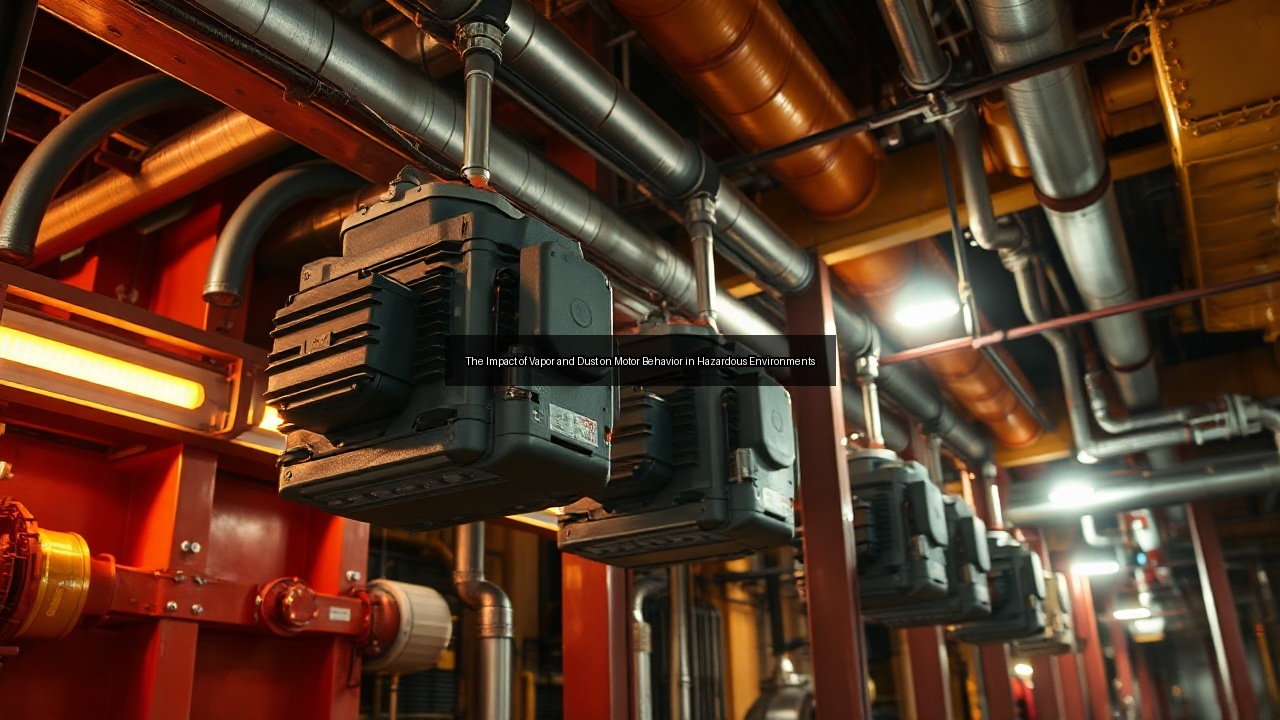
Understanding Hazardous Locations and Motor Behavior
Defining Hazardous Locations
Hazardous locations demand specialized hazardous location motors because vapors, dusts, and liquids create ignition risks that standard motors cannot handle. These environments require equipment built to contain sparks or heat that might trigger explosions. Engineers classify areas by the presence of flammable substances and their concentration levels. Proper classification guides the selection of electric motors for dangerous locations. Facilities install these motors in zones where gas or dust clouds form regularly. Data from site assessments helps determine the exact hazard class and group. Without correct motors, operations face shutdowns or catastrophic failures.
Types of Hazardous Locations
Division 1 and Division 2 areas represent the main categories for hazardous locations. Division 1 sites contain ignitable concentrations under normal conditions, while Division 2 locations see them only during abnormal events. Each type dictates different motor enclosures and sealing methods. Hazardous location electric motors must meet strict NEMA standards to operate safely in either division. Plants handling gas or combustible dusts often fall into Class I or Class II groups. Single phase motors and BLDC motors receive different ratings based on these divisions. Accurate classification prevents ignition and protects infrastructure.
Common Hazards: Vapors, Dusts, and Liquids
Vapors from solvents and fuels mix with air to form explosive mixtures that attack motor windings and bearings. Dusts from processing operations settle on surfaces and create conductive paths or block cooling vents. Liquids introduce corrosion that weakens insulation over time. Hazardous location motors counter these threats through robust designs that limit surface temperatures and contain internal arcs. Regular monitoring of vapor levels and dust accumulation frequency reduces failure rates. Compressors and pumps in these settings require motors rated for continuous exposure. Effective control of these hazards keeps production steady.
Impact of Vapors and Dusts on Motor Operation
How Vapors Affect Motor Performance
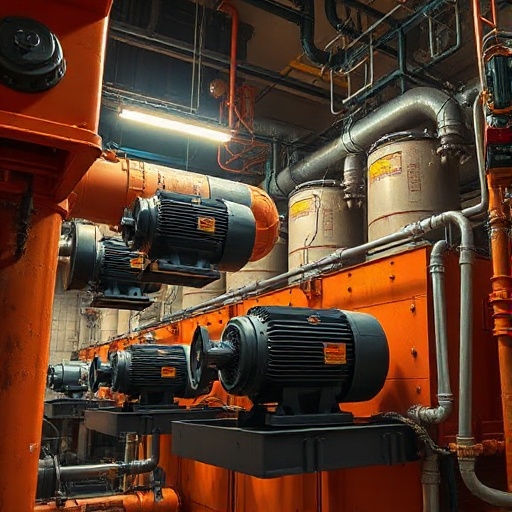
Vapors penetrate motor housings and degrade insulation, raising the risk of short circuits and overheating. In gas-rich environments, vapors lower the flash point and increase ignition probability during startup. Hazardous location motors incorporate seals and breathers that vent pressure without allowing flame passage. BLDC motors handle vapor exposure better than traditional designs because of their compact construction and lower operating temperatures. Frequency of vapor release determines maintenance intervals. Operators track vapor concentration data to schedule inspections before performance drops. Proper motor selection prevents costly downtime in chemical plants.
Dust Accumulation and Its Effects
Dusts build up on motor fins and inside enclosures, cutting heat dissipation and forcing higher operating temperatures. Conductive dusts create ground faults that trip protective devices. Hazardous location motors use non-sparking fans and tight tolerances to limit dust entry. In pulp and paper facilities, fine fibers combine with moisture to form insulating layers that stress windings. Regular cleaning and pressurized air systems keep dust levels manageable. Data loggers record temperature spikes caused by accumulation. These motors maintain reliable behavior even when dust loads reach extreme levels.
Case Studies in Pulp and Paper Plants
Pulp and paper plants process wood fibers that generate heavy dust loads near dryers and conveyors. One facility replaced standard motors with hazardous location motors after repeated bearing failures from dust ingress. The new units featured enhanced seals and NEMA-rated enclosures that reduced repair calls by 40 percent. Another site monitored motor temperature data across multiple lines and adjusted ventilation to lower dust settling. BLDC motors replaced older single phase motors in low-load areas, improving energy efficiency. These changes stabilized production and extended equipment life in high-dust zones.
Selecting the Right Motors for Hazardous Environments
Understanding NEMA Ratings
NEMA ratings define enclosure strength, temperature codes, and protection against vapors and dusts for hazardous location motors. Class I Division 1 motors carry explosion-proof labels that contain internal ignition sources. Higher ratings address specific gas groups and dust classes. Distributors help facilities match NEMA dimensions and service factors to application demands. Incorrect ratings expose operations to regulatory fines and safety incidents. Engineers review NEMA tables alongside site hazard data before purchase. Proper rating ensures motors withstand the force of potential explosions without propagating flame.
Choosing Between Single Phase and BLDC Motors
Single phase motors suit lighter loads in Division 2 areas where vapor concentrations remain low. They offer simple installation and lower upfront cost for pumps or fans. BLDC motors deliver higher efficiency and precise speed control in continuous-duty applications. Their brushless design reduces spark risk, making them ideal for dust-heavy zones. Hazardous location motors in both categories must carry appropriate listings. Distributors compare torque curves and thermal performance to match motor type to process needs. Data centers sometimes use BLDC units for backup cooling systems in classified rooms.
The Role of Distributors in Sourcing Motors
Distributors maintain inventory of certified hazardous location motors and provide technical support for proper selection. They verify NEMA compliance and confirm compatibility with existing infrastructure. Experienced distributors analyze vapor and dust profiles to recommend single phase motors or BLDC motors. They also track warranty terms and lead times for specialized units. Facilities rely on distributors for quick access to replacement motors that meet EASA repair standards. Strong distributor relationships reduce procurement delays and ensure motors arrive with correct dimensions and certifications.
Maintenance and Repair Considerations

Warranty Implications for Hazardous Location Motors
Warranty coverage for hazardous location motors requires documented adherence to manufacturer guidelines on installation and upkeep. Unauthorized modifications void protection against vapor or dust damage. Facilities must record inspection frequency and parts replacements to keep claims valid. EASA-certified repair shops understand the strict standards that preserve warranty status. Distributors supply warranty registration details at purchase. Ignoring these steps exposes plants to full repair costs when motors fail in gas or dust environments. Clear warranty tracking protects capital investments.
Best Practices for Motor Care in Hazardous Areas
Scheduled cleaning removes dust layers before they insulate motor surfaces. Technicians inspect seals and gaskets for vapor intrusion after every shutdown. Lubrication intervals follow manufacturer data for the specific hazardous location motor. Temperature monitoring systems alert operators when cooling towers or gas compressors show abnormal readings. Training programs teach staff to recognize early signs of insulation breakdown. These practices maintain consistent motor behavior and extend service life. Documentation supports compliance audits and future troubleshooting.
Repair Strategies for Gas Compressors and Cooling Towers
Gas compressors demand explosion-proof motors that undergo rigorous testing after any repair. Cooling towers expose motors to moisture and dust that accelerate bearing wear. EASA shops rebuild units to original hazardous location specifications, replacing windings and seals with certified components. Facilities track repair history alongside operating data to predict remaining life. Quick turnaround from qualified repair centers minimizes production loss. Proper strategies keep compressors and towers running safely under continuous vapor and dust exposure.
Future Trends in Hazardous Location Motors

Technological Advances in Motor Design
Manufacturers integrate advanced materials that resist vapor corrosion and dust abrasion in hazardous location motors. Improved sealing techniques and sensor integration allow real-time performance tracking. BLDC motors gain market share through higher power density and reduced ignition sources. New enclosure designs handle higher pressure ratings without added weight. These advances improve reliability across pulp and paper plants and data centers. Engineers test prototypes under simulated gas and dust conditions before release. Continuous design progress raises safety margins in classified areas.
The Importance of Data and Monitoring
Continuous data collection from motor sensors reveals early vapor or dust effects on performance. Analytics platforms correlate temperature, vibration, and load data to forecast failures. Hazardous location motors equipped with wireless transmitters feed information to central control rooms. Facilities use these insights to adjust maintenance frequency and avoid unplanned outages. Monitoring systems also document compliance with safety standards. Real-time alerts protect infrastructure and personnel in gas-rich or dusty zones. Data-driven decisions optimize motor uptime across entire plants.
Emerging Standards and Regulations for Hazardous Locations
Updated standards tighten temperature limits and enclosure requirements for hazardous location motors. Regulators incorporate new test methods for dust ignition and vapor permeation. Global harmonization efforts align NEMA ratings with international classifications. Facilities must adapt motor specifications to meet revised codes for gas compressors and cooling towers. Distributors provide guidance on compliance timelines. Proactive adoption of emerging rules prevents operational disruptions. These regulations drive continuous improvement in motor safety and environmental protection.