The Intersection of Design and Functionality in Rotating Electrical Connectors
Understanding Rotating Electrical Connectors
What Are Rotating Electrical Connectors?
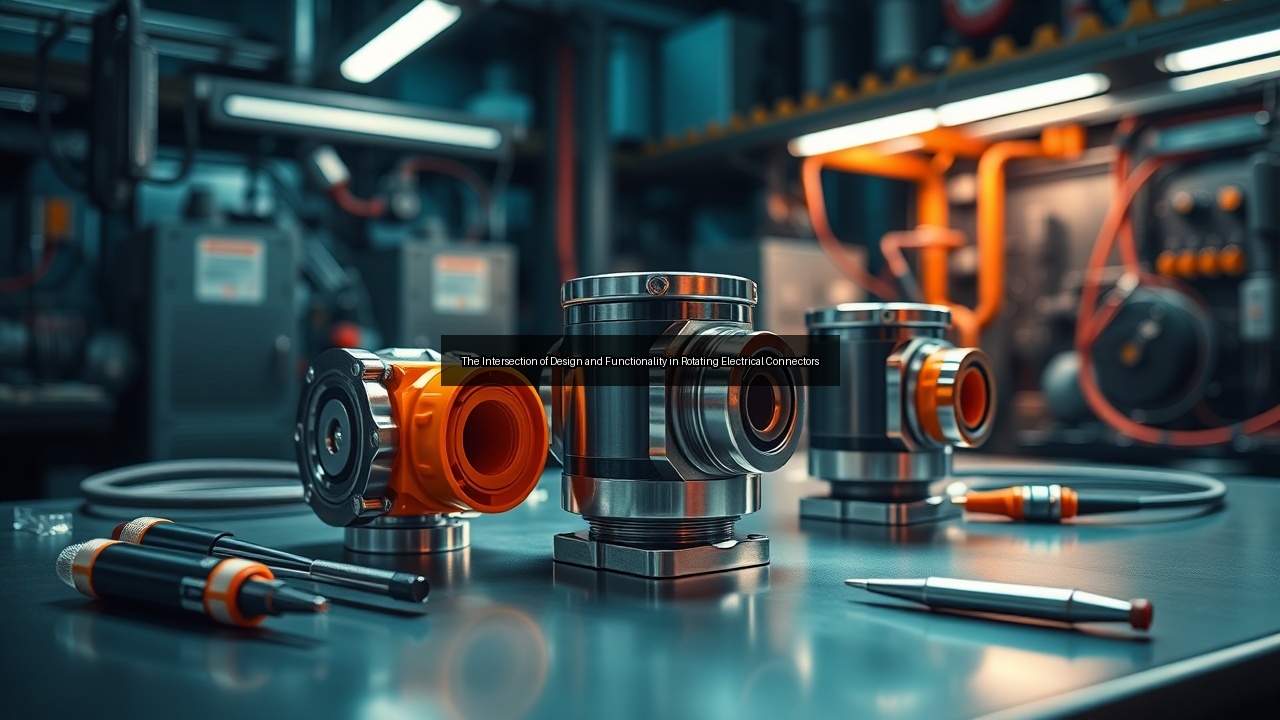
Rotating electrical connectors, often referred to as slip rings, facilitate the transfer of electrical signals and power between stationary and rotating components. These connectors play a vital role in applications where continuous rotation occurs, such as in wind turbines, robotics, and industrial machinery. By allowing electrical connections to maintain functionality despite movement, rotating electrical connectors ensure seamless operation in various environments. Their design minimizes wear and tear, enabling them to withstand the rigors of frequent and extended use. This reliability makes them indispensable in industries that demand high performance and efficiency.
Key Components of Rotating Electrical Connectors
Understanding the anatomy of rotating electrical connectors reveals their intricate design and functionality. At the heart of a rotating electrical connector lies the rotary electrical contact, which facilitates the transmission of power and data. This contact often consists of a series of conductive rings and brushes that maintain contact during rotation, allowing for uninterrupted electrical flow. Other vital components include the housing, which protects the internal parts from environmental factors, and the bearings, which ensure smooth rotation. The materials used in these connectors, such as copper and gold plating, enhance conductivity and durability, making them suitable for high voltage applications. Together, these components create a robust system that operates efficiently under diverse conditions.
Types of Rotating Electrical Connectors
Rotating electrical connectors come in various types, each tailored to specific applications and requirements. The most common types include capsule slip rings, which compactly house the electrical contacts and are ideal for tight spaces; and through-bore slip rings, which allow for cables and other components to pass through the center, providing flexibility in design. Other variations include fiber optic rotary joints, which transmit data through light, ensuring high-speed communication without electrical interference. Each type of rotating connector offers unique benefits, addressing specific challenges in fields ranging from aerospace to medical devices. Understanding these types helps engineers select the right connector for their projects, optimizing both design and functionality.
The Balance of Design and Functionality
Design Considerations for High Voltage Applications
Designing rotating electrical connectors for high voltage applications requires meticulous attention to detail to ensure safety and reliability. Insulation materials play a critical role in preventing electrical arcing and maintaining performance under extreme conditions. Engineers often utilize high-grade insulators, such as polyimide or PTFE, which can withstand elevated temperatures and pressures. Additionally, the spacing between conductive elements must adhere to strict guidelines to minimize the risk of accidental contact. Factors such as environmental exposure also dictate design choices; connectors meant for outdoor usage need weatherproofing features. Balancing these design elements with functionality ensures that the connectors perform effectively, even in demanding situations.
Functionality: Ensuring Speed and Efficiency
Functionality in rotating electrical connectors is paramount, particularly concerning speed and efficiency. The connector's design should facilitate rapid data and power transfer to meet the demands of modern machinery and technology. Features such as low contact resistance and minimal electrical losses enhance performance, allowing devices to operate at optimal levels. Additionally, using a linear taper in the design can improve the uniformity of electrical contact, reducing wear over time and enhancing reliability. By focusing on these functional attributes, manufacturers create rotating electrical connectors that support high-speed applications without sacrificing performance or safety.
The Role of Linear Taper in Performance
The linear taper is a crucial design aspect in the performance of rotating electrical connectors. This design ensures that the contact pressure remains consistent throughout the rotation, reducing the likelihood of signal loss or degradation. A linear taper allows for a more gradual engagement between the contact points, which enhances the lifespan of the connector and minimizes wear. In applications where precision and reliability are essential, such as in aerospace or medical devices, the advantages of a linear taper become increasingly significant. Selecting connectors with this design feature contributes to improved overall performance, ensuring that devices can operate continuously and efficiently.
Applications and Innovations in Rotating Electrical Connectors
Rotating Connectors in Wireless Technology
The integration of rotating electrical connectors in wireless technology highlights their versatility and importance. These connectors are essential in devices that require dynamic movement while maintaining a stable connection, such as antennas and rotating cameras. The ability to transmit data wirelessly while using rotating connectors enhances the functionality of these devices, enabling real-time communication and control. Innovations in this area have led to the development of hybrid connectors that combine traditional slip rings with wireless capabilities, further improving connectivity and performance. As wireless technology continues to evolve, the role of rotating electrical connectors will expand, paving the way for new applications and advancements.
Use of Slip Rings in Industrial Settings
Slip rings find extensive applications in industrial settings, where machinery often requires continuous rotation. These connectors enable the seamless transfer of power and signals to equipment such as cranes, conveyor systems, and automated assembly lines. The durability of slip rings makes them ideal for harsh environments, where dust, moisture, and vibrations can hinder performance. Innovations in materials and design have led to slip rings that can withstand extreme conditions while maintaining high performance. Industries such as manufacturing, oil and gas, and renewable energy rely on these connectors to enhance operational efficiency and reduce downtime, showcasing their critical role in modern industrial processes.
Adapters and Their Importance in Connectivity
Adapters play a significant role in the functionality of rotating electrical connectors, ensuring compatibility across diverse systems. These devices facilitate the connection between different types of connectors and wiring, allowing for greater flexibility in design and application. Using adapters minimizes the need for extensive rewiring, which can be both time-consuming and costly. Innovations in adapter technology have resulted in more compact and efficient designs, further enhancing connectivity options. As industries adopt new technologies and standards, the importance of high-quality adapters will only increase, enabling seamless integration across various platforms and devices. This adaptability makes rotating electrical connectors even more valuable in an ever-evolving technological landscape.
Future Trends in Rotating Electrical Connectors
Advancements in Rotary Electrical Contacts
The future of rotary electrical contacts appears promising, driven by advancements in materials science and engineering. New conductive materials, such as graphene, offer the potential for even lower resistance and improved thermal management, enhancing performance in high voltage applications. Additionally, the development of smart connectors equipped with sensors and diagnostic capabilities will revolutionize how these devices operate. These innovations will provide real-time feedback on connector health, enabling proactive maintenance and reducing the risk of failure. As industries continue to push for greater efficiency and reliability, advancements in rotary electrical contacts will play a crucial role in meeting these demands.
The Impact of Emerging Technologies on Connector Design
Emerging technologies, such as the Internet of Things (IoT) and Industry 4.0, are reshaping connector design and functionality. As machines become more interconnected, the need for reliable, high-speed connections will intensify. Designers will focus on creating rotating electrical connectors that can handle increased data rates while maintaining energy efficiency. Additionally, the push for miniaturization will lead to more compact designs that do not compromise on performance. Innovations in manufacturing techniques, such as 3D printing, will also allow for greater customization and rapid prototyping, making it easier to adapt to specific application needs. The intersection of these technologies will result in more advanced and versatile rotating electrical connectors, driving future growth and innovation.
See Also
- The Environmental Impact of Rotating Electrical Connectors in Green Technology
- Exploring the Future of Rotating Electrical Connectors in High Voltage Applications
- Revolutionizing Connectivity with Wireless Technology in Rotating Electrical Connectors
- How Rotating Electrical Connectors Revolutionize Wireless Technology
- Exploring the Benefits of Slip Rings in Modern Rotating Electrical Connectors