Real-Life Applications of Injection Molding in Everyday Products
Understanding Injection Molding
What is Injection Molding?
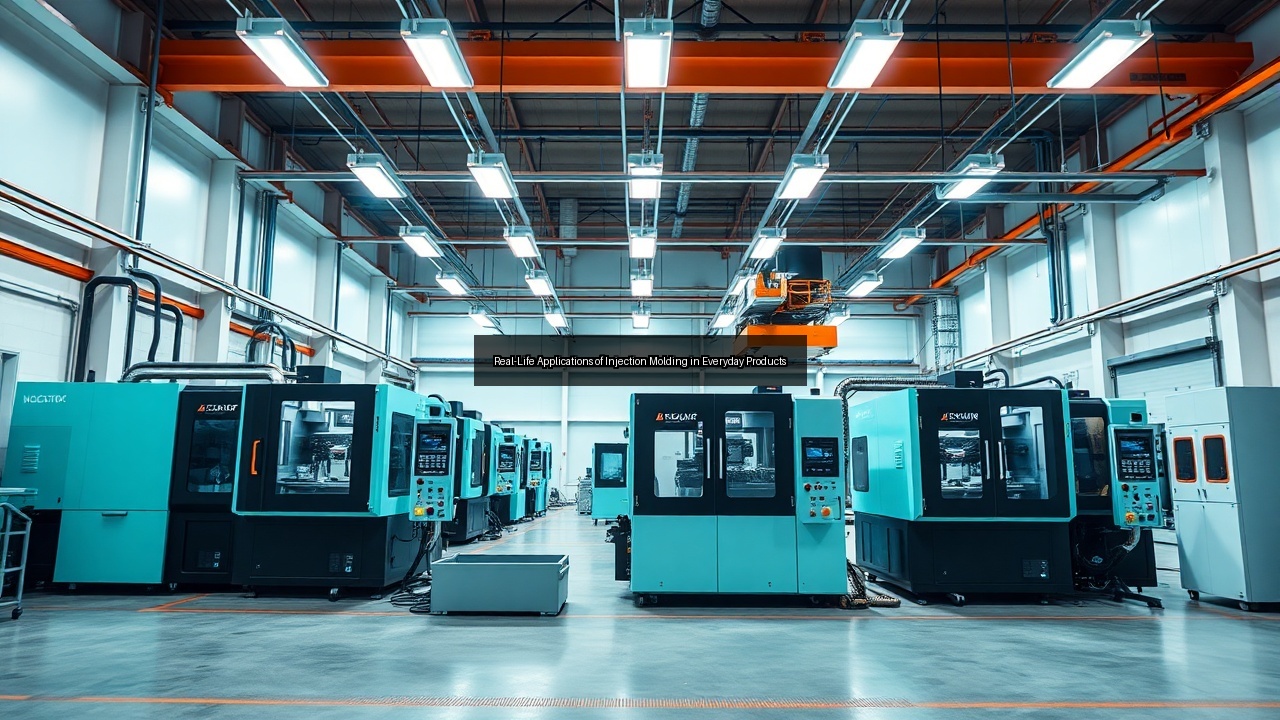
Injection molding is a manufacturing process that produces parts by injecting molten material into a mold. This versatile technique primarily uses plastics but can also work with metals and ceramics. The process starts with raw plastic pellets that are heated and melted until they reach a viscous state. Once in this form, the material is injected into a precisely crafted mold, where it cools and solidifies into the desired shape. Injection molding is favored for its efficiency in producing large quantities of identical parts, making it a cornerstone of modern manufacturing.
The Injection Molding Process Explained
The injection molding process consists of several key stages: clamping, injection, cooling, and ejection. Initially, the injection molding machine clamps the two halves of the mold together. Next, the heated plastic is injected under high pressure into the mold cavity. This phase is critical as it ensures that the material fills every nook and cranny of the mold, capturing intricate designs. After the injection phase, the mold is cooled, allowing the plastic to solidify. Finally, the mold opens to eject the finished injection-molded part. This streamlined process minimizes waste and maximizes production efficiency, making it a preferred choice among manufacturers.
Benefits of Injection Molding in Manufacturing
Injection molding offers numerous advantages for manufacturers. First, it enables the production of complex shapes and designs that would be difficult or impossible to achieve with other methods. The precision of injection molds results in consistent quality, reducing defects and rework. Additionally, the speed of production allows manufacturers to meet high demand without sacrificing quality. Cost-effectiveness also plays a significant role; once a mold is created, producing subsequent parts incurs minimal additional costs. This makes injection molding an ideal choice for industries ranging from automotive to consumer goods, where efficiency and quality are paramount.
Key Real-Life Applications of Injection Molding
Everyday Products Made from Injection-Molded Plastics
Injection molding plays a critical role in the creation of everyday products that people often take for granted. Items like plastic containers, toys, automotive parts, and household appliances often originate from this process. For instance, the ubiquitous plastic bottle, whether for beverages or cleaning supplies, typically undergoes injection molding to achieve its shape and durability. Similarly, components like remote control housings and electronic device casings rely on injection-molded plastics for both functionality and aesthetics. The ability to produce these items quickly and in large volumes makes injection molding indispensable in our daily lives, illustrating its impact on both convenience and affordability.
Innovative Uses of Two-Shot Injection Molding
Two-shot injection molding represents an innovative evolution of traditional injection molding techniques. This method allows the simultaneous injection of two different materials into a single mold, creating complex parts with multiple properties. For example, a toothbrush may feature a soft rubber grip and a hard plastic body, both produced in a single molding process. This capability enhances product functionality and aesthetics while minimizing assembly time and costs. Industries ranging from medical devices to consumer electronics leverage two-shot injection molding to create products that meet specific user needs, demonstrating how advanced techniques can revolutionize manufacturing processes and outcomes.
How Custom Plastic Injection Molding Shapes Industries
Custom plastic injection molding enables businesses to tailor products to meet specific requirements, thereby shaping entire industries. Companies often collaborate with plastic injection molding manufacturers to develop unique molds that cater to their design specifications. This customization allows manufacturers to create specialized parts for various applications, enhancing product offerings and market competitiveness. Industries such as automotive, aerospace, and medical devices benefit significantly from custom solutions. For instance, a medical device manufacturer may require a specialized injection-molded part that meets stringent regulatory standards. Custom plastic injection molding not only fosters innovation but also drives efficiency and quality across diverse sectors.
Choosing the Right Plastic Injection Molding Manufacturer
Criteria for Selecting a Plastic Injection Molding Company
Choosing the right plastic injection molding manufacturer is crucial for ensuring the success of your project. Start by evaluating the company's experience and reputation in the industry. An established manufacturer with a track record of quality and timely delivery can significantly impact your production timeline. Assess their capabilities, including the types of materials they work with and the complexity of the molds they can produce. Furthermore, consider their commitment to customer service and support throughout the manufacturing process. Transparency in pricing and production timelines also plays a vital role in making an informed decision. A thorough assessment of these criteria can lead to a fruitful partnership that meets your specific needs.
Top Plastic Injection Molding Manufacturers to Consider
Several plastic injection molding manufacturers stand out in the industry due to their expertise and innovation. Companies like Proto Labs, which specializes in rapid prototyping and low-volume production, offer flexible solutions for businesses. Another notable name is Nikolette Plastics, known for its commitment to quality and customer-centric approach. Their advanced facilities and skilled workforce enable them to produce high-quality injection-molded parts for various applications. Additionally, companies like DME and RJG provide a wealth of resources and support for manufacturers seeking to optimize their injection molding processes. Researching these top manufacturers helps identify the best fit for your specific project requirements.
Nicolet Plastics: A Case Study in Quality Manufacturing
Nicolet Plastics exemplifies quality and innovation in the realm of plastic injection molding. With over 40 years of experience, the company has carved a niche in producing high-precision parts for industries such as healthcare and consumer products. Nicolet Plastics employs state-of-the-art technology, including robotics and automation, to enhance production efficiency and maintain stringent quality control standards. Their commitment to sustainability and eco-friendly practices further sets them apart in the industry. By focusing on customer collaboration and tailored solutions, Nicolet Plastics has established itself as a trusted partner for businesses looking to bring their injection-molded products to market. Their success story illustrates how a focus on quality can yield significant benefits for both the manufacturer and its clients.
The Future of Injection Molding Technology
Emerging Trends in Injection Molding Services
The future of injection molding technology promises exciting developments that will reshape the manufacturing landscape. One notable trend is the increasing integration of automation and robotics into the injection molding process. These advancements enhance production efficiency, reduce labor costs, and improve consistency in product quality. Additionally, the rise of Industry 4.0 emphasizes the use of data analytics and smart technology to optimize manufacturing processes. Manufacturers are now leveraging real-time data to monitor production, predict maintenance needs, and improve overall efficiency. As these trends continue to evolve, businesses that adopt new technologies will likely gain a significant competitive edge in the market.
Sustainable Practices in Plastic Injection Molding
As environmental concerns rise, sustainable practices in plastic injection molding become increasingly important. Manufacturers are exploring ways to reduce waste and energy consumption throughout the injection molding process. This includes using recycled plastics, optimizing production processes to minimize excess material, and implementing energy-efficient machinery. Some companies even participate in closed-loop systems, where waste materials are reprocessed and reused. By prioritizing sustainability, plastic injection molding manufacturers can meet regulatory requirements, enhance their brand reputation, and attract environmentally conscious consumers. The shift toward greener practices will likely shape the future of the industry, paving the way for more responsible manufacturing solutions.
The Role of Technology in Modern Molding Solutions
Technology plays a pivotal role in modernizing injection molding solutions. Advanced software for mold design and simulation streamlines the development process, allowing engineers to identify potential issues before production begins. Additionally, innovations in materials science lead to the development of new, high-performance plastics that expand the possibilities of injection-molded products. 3D printing technology is also making strides in creating molds, significantly reducing the time and costs associated with traditional mold manufacturing. As technology continues to evolve, it will unlock new possibilities for injection molding, enhancing production quality, efficiency, and customization.