How to Read Your Diesel Tank Gauge Like a Pro
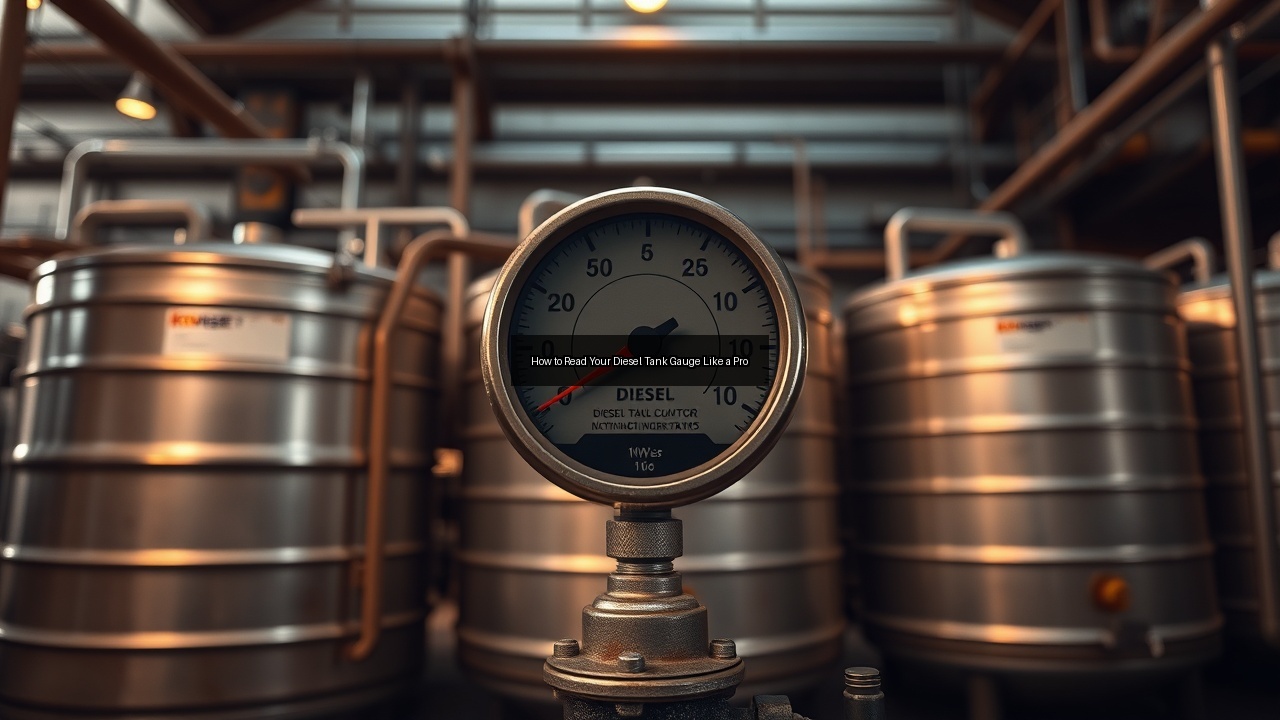
Understanding Diesel Tank Gauges
What is a Diesel Tank Level Gauge?
A diesel tank level gauge is a crucial device that measures the amount of diesel fuel in a storage tank. It provides real-time information, allowing users to monitor fuel levels effectively and prevent shortages. These gauges come in various designs, from basic mechanical types to advanced digital versions. Accurate readings ensure that operations run smoothly, particularly in industries reliant on diesel for machinery or transportation. Understanding how to read a diesel tank level gauge enhances operational efficiency and minimizes the risk of unexpected downtime due to fuel shortages.
Types of Diesel Gauges: An Overview
Diesel gauges fall into several categories, each suited for different applications and environments. Mechanical gauges typically use a float system to provide a visual reading of fuel levels. Digital gauges, on the other hand, offer precise measurements and can integrate with monitoring systems for remote access. Ultrasonic gauges use sound waves to measure liquid levels without contact, making them ideal for larger tanks. Capacitive and magnetic gauges also exist, each offering unique benefits. Selecting the right type of diesel gauge depends on the specific requirements of your fuel tank system and the accuracy needed for effective management.
How Diesel Fuel Gauges Work
Understanding the mechanics behind diesel fuel gauges helps users appreciate their importance. Most gauges operate on the principle of buoyancy, where a float rises and falls with the fuel level, translating this movement into a readable measurement. Digital gauges utilize sensors that relay data to a display, often incorporating features such as alarms for low tank for diesel fuel gauge levels. Advanced systems may connect to a central monitoring application, providing real-time data analytics. Regularly checking how these gauges operate ensures you get accurate information about your diesel fuel supply, allowing for timely decisions regarding refueling.
Interpreting Measurements Accurately
Reading the Diesel Fuel Gauge: Tips and Tricks
Reading your diesel fuel gauge accurately requires a keen eye and a few practical tips. First, familiarize yourself with the gauge's scale, which may vary between models. Always check the gauge when the tank has stabilized, as fluctuations can lead to inaccurate readings. Note that some gauges may have a delay in response; give it a moment to settle before taking a measurement. Regularly calibrate your gauge to ensure it provides precise readings. Keeping a log of fuel levels over time can help identify patterns in consumption, allowing you to predict when a refill is necessary more effectively.
Common Measurement Units for Diesel Tanks
Understanding the measurement units used in diesel tank gauges is essential for accurate fuel management. Most gauges display levels in gallons or liters, depending on regional standards. Some digital systems may also provide measurements in percentage, indicating how full the tank is relative to its total capacity. Familiarizing yourself with conversion factors between these units can aid in making quick calculations, especially when planning refueling. Additionally, some industrial applications may use metric tons, especially when dealing with larger volumes of diesel fuel in storage tanks. Knowing these units ensures effective communication and accurate fuel management across operations.
Factors Affecting Gauge Accuracy
Several factors can influence the accuracy of your diesel tank level gauge. Temperature changes can cause fuel expansion or contraction, leading to variations in level readings. Additionally, the gauge's installation angle must be correct; improper alignment can result in skewed measurements. Sediment buildup in the tank affects the float's movement, potentially leading to inaccurate readings. Regular maintenance, including cleaning the gauge and inspecting the tank for debris, helps mitigate these issues. Understanding these factors and implementing preventive measures ensures your diesel fuel gauge delivers reliable information, helping you maintain optimal fuel levels.
Maintenance and Troubleshooting
Routine Checks for Your Diesel Tank Gauge
Performing routine checks on your diesel tank gauge is vital for maintaining its accuracy and longevity. Start with visual inspections to identify any signs of wear or damage. Check the gauge’s calibration by comparing its readings to a known quantity of diesel fuel in the tank. Regularly clean the gauge and the surrounding area to prevent dirt or debris from affecting its performance. Consider establishing a scheduled maintenance routine, perhaps monthly or quarterly, to ensure consistent performance. By prioritizing these checks, you can prevent small issues from escalating into significant problems that may lead to operational downtime.
Troubleshooting Common Diesel Gauge Issues
Even the best diesel gauges can experience problems. One common issue is a stuck float, which can result in inaccurate readings. If you suspect this problem, manually inspect the float to ensure it moves freely. Another common issue involves electrical faults in digital gauges, which can stem from wiring problems or sensor malfunctions. If a gauge consistently displays discrepancies, recalibrating it or replacing faulty components may be necessary. Documenting any irregularities assists in identifying recurring problems and facilitates efficient troubleshooting. Addressing these issues promptly minimizes downtime and keeps fuel management running smoothly.
When to Replace Your Fuel Gauge
Deciding when to replace your diesel tank level gauge can be challenging. Look for signs of failure, such as consistent inaccuracies or physical damage. If the gauge frequently requires recalibration or shows erratic readings, it's time to consider a replacement. Digital gauges might display error codes; consult the manual or manufacturer for guidance. Additionally, older mechanical gauges may lack the precision needed for modern fuel management practices. Upgrading to a newer model often brings enhanced accuracy and features, such as remote monitoring capabilities. Investing in a reliable diesel fuel gauge ensures effective fuel management and minimizes the risk of unexpected shortages.
Enhancing Efficiency and Reducing Downtime
The Importance of Accurate Measurements
Accurate measurements from your diesel tank level gauge play a pivotal role in enhancing operational efficiency. Knowing exact fuel levels prevents unnecessary downtime caused by running out of diesel. Accurate data allows for better budgeting and planning for fuel purchases, ensuring that your operations remain uninterrupted. In fleet management, precise measurements facilitate optimal routing and scheduling, reducing fuel waste and improving overall productivity. By prioritizing accurate readings, businesses can streamline their operations and allocate resources more effectively, resulting in significant cost savings and improved service delivery.
Using Krueger Sentry for Optimal Monitoring
The Krueger Sentry offers advanced monitoring capabilities for diesel tank management. This innovative system integrates seamlessly with existing fuel infrastructure, providing real-time data on fuel levels and consumption. Users can access this information remotely, making it easier to manage multiple tanks or locations. The Krueger Sentry also features alerts for low fuel levels, ensuring timely refueling and preventing operational disruptions. By leveraging such technology, businesses can enhance their fuel management practices, reduce downtime, and improve overall efficiency. Investing in systems like Krueger Sentry transforms how organizations monitor diesel fuel usage, contributing to better decision-making.
Integrating Technology in Diesel Tank Management
Integrating technology into diesel tank management elevates operational effectiveness. Modern tools and software allow for real-time tracking of fuel levels, consumption patterns, and maintenance schedules. This technology minimizes the risk of human error and enhances accuracy in fuel management. Data analytics can provide insights into usage trends, enabling businesses to optimize their refueling strategies. Moreover, technology can facilitate automated ordering processes, ensuring that tanks are replenished before they reach critical levels. Embracing these advancements not only ensures accurate measurements but also supports sustainable practices by reducing waste and improving efficiency across operations.