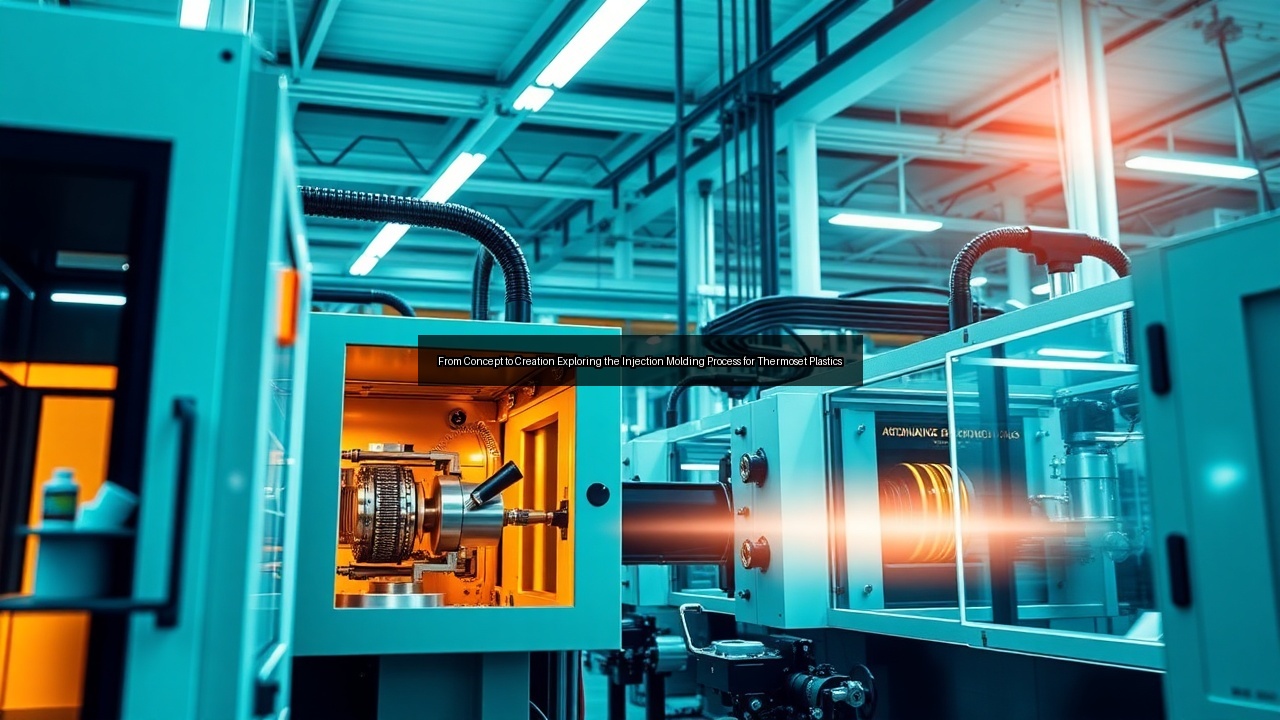
From Concept to Creation Exploring the Injection Molding Process for Thermoset Plastics
Understanding Thermoset Plastics in Injection Molding
Characteristics of Thermoset Materials
Thermoset plastics are unique materials known for their ability to undergo a chemical change during the curing process, resulting in a rigid, inflexible structure. Unlike thermoplastics, which can be remelted and reshaped, thermosets maintain their shape and strength after the initial heating and curing. This characteristic makes thermoset materials ideal for applications requiring high durability and thermal resistance. Common types of thermoset plastics include epoxy, phenolic, and polyurethane, each offering specific benefits based on their chemical composition. These materials exhibit excellent mechanical properties, high temperature resistance, and low shrinkage during the curing process, making them suitable for various industrial applications.
Comparison with Thermoplastics
Understanding the differences between thermosets and thermoplastics is crucial for manufacturers choosing the right materials for their projects. Thermoplastics can be heated, molded, and cooled multiple times, allowing for greater flexibility in design and recycling. In contrast, thermosets, once cured, cannot be reshaped or remelted. This fundamental difference impacts their applications; thermoplastics are often used in consumer goods, automotive parts, and packaging, whereas thermosets excel in electrical applications, adhesives, and coatings. Moreover, thermosets typically offer superior dimensional stability and resistance to chemicals and heat, making them the preferred choice in environments that require durability and performance. This comparison highlights the importance of selecting the appropriate material based on the specific needs of a project.
Common Applications of Thermosets
Thermoset plastics find extensive use across various industries due to their robust properties. In the automotive sector, thermoset materials are commonly used for components such as electrical insulators, exterior body parts, and under-the-hood applications, where high heat and chemical resistance are essential. The aerospace industry also utilizes thermosets for their lightweight yet strong characteristics, often incorporating them in fuselage components and interior panels. In the electrical sector, thermoset resins serve as insulating materials, providing reliable performance under extreme conditions. Other common applications include adhesives, coatings, and composite materials used in construction and manufacturing. The versatility of thermosets in these applications underscores their significance in modern manufacturing processes.
The Injection Molding Process for Thermosets
Key Steps in the Injection Molding Process
The injection molding process for thermosets involves several critical steps that ensure the creation of high-quality molded parts. First, the thermoset material, often in the form of pellets or granules, is heated until it becomes a viscous liquid. This material is then injected into a mold under high pressure using a piston mechanism. The mold's design dictates the final shape of the part, making precision engineering essential. Once injected, the thermoset undergoes a curing process, where heat and/or chemical agents initiate a cross-linking reaction, transforming the liquid into a solid state. This step is crucial, as it determines the part's mechanical properties and dimensional stability. After curing, the mold opens, and the finished part is ejected. This streamlined process allows for efficient mass production of complex shapes and designs.
Role of Chemicals in Thermoset Molding
Chemicals play a pivotal role in the thermoset molding process, influencing both the curing reaction and the final properties of the molded part. Initiators and curing agents, such as peroxides or amines, are commonly added to thermoset formulations to facilitate the cross-linking process. These chemicals determine the speed and efficiency of curing, which directly affects production rates and part quality. Additionally, additives such as fillers, colorants, and stabilizers can enhance specific properties, such as strength, flexibility, or UV resistance. Manufacturers must carefully select these chemicals to optimize the performance of the thermoset material for its intended application. Understanding the chemistry involved in thermoset injection molding allows for better control over the final product, ensuring it meets the required specifications.
Importance of ISO 13485 in Injection Molding
ISO 13485 certification establishes a framework for quality management systems specifically aimed at the medical device industry. For companies engaged in injection molding thermosets for medical applications, adherence to this standard is crucial. It ensures that the manufacturing processes meet stringent regulatory requirements, ultimately leading to higher product quality and safety. Compliance with ISO 13485 involves regular audits, documentation of processes, and continuous improvement practices, ensuring that manufacturers consistently produce reliable medical components. This certification not only enhances credibility but also opens doors to new markets where quality assurance is paramount. As the demand for medical devices rises, the significance of ISO 13485 in thermoset injection molding becomes increasingly evident.
Advantages and Challenges of Thermoset Injection Molding
Benefits of Using Thermosets in Manufacturing
Thermoset injection molding offers several advantages that make it an attractive option for manufacturers. One of the primary benefits is the exceptional dimensional stability provided by thermoset materials. Once cured, these plastics maintain their shape under stress, making them ideal for precision-engineered parts. Additionally, thermosets exhibit superior heat and chemical resistance, which is critical in applications such as automotive and aerospace manufacturing. The durability of thermosets also extends their lifespan, reducing the need for frequent replacements or repairs. Furthermore, the ability to produce complex shapes with intricate details allows for innovative designs that can meet diverse consumer needs. The combination of strength, versatility, and longevity makes thermosets a go-to choice in a variety of industries.
Challenges in Thermoset Injection Molding
Despite their advantages, thermoset injection molding presents specific challenges that manufacturers must navigate. One significant issue is the longer cycle times associated with curing compared to thermoplastics. This extended process can lead to increased production costs and longer lead times. Additionally, the initial investment for thermoset molding equipment can be higher, requiring specialized machinery and molds designed for the unique characteristics of thermoset materials. Another challenge lies in the limited recyclability of thermosets. Once cured, these plastics cannot be remelted or reshaped, which poses environmental injection molding materials concerns. Manufacturers must explore innovative recycling methods or alternatives to mitigate these challenges while maximizing the benefits of thermoset injection molding.
Recyclability of Thermoset Plastics
The recyclability of thermoset plastics remains a significant topic of discussion in the industry. Unlike thermoplastics, which can be easily recycled by melting and reforming, thermosets undergo irreversible chemical changes during curing, making traditional recycling methods ineffective. However, researchers and manufacturers are actively seeking sustainable solutions. Some innovative approaches involve the use of chemical recycling processes that break down thermosets into their original monomers, allowing for potential re-use. Additionally, advancements in the development of bio-based thermosets aim to enhance environmental sustainability. While challenges remain, increasing awareness of recyclability issues pushes the industry toward more sustainable practices and materials.
Future Trends in Thermoset Injection Molding
Innovations in Thermoset Materials
The future of thermoset injection molding looks promising as innovations in materials continue to emerge. Researchers are exploring hybrid materials that combine the benefits of thermosets with those of thermoplastics, resulting in improved flexibility and performance. Developments in nanotechnology also show potential, as incorporating nanoparticles into thermoset formulations can enhance mechanical properties and thermal stability. These innovations not only aim to improve the performance of thermoset products but also reduce production costs and cycle times. As the industry evolves, staying at the forefront of these material innovations will be crucial for manufacturers seeking a competitive edge in the market.
Sustainability in Plastics Injection Molding
Sustainability is becoming a driving force in the plastics injection molding industry, including thermosets. Manufacturers are increasingly focusing on reducing waste, energy consumption, and carbon emissions associated with production. The shift toward sustainable practices includes sourcing raw materials responsibly and developing processes that minimize environmental impact. Additionally, the demand for eco-friendly thermoset materials is rising, prompting research into bio-based resins and recycling methods. Consumers are more conscious of the environmental footprint of products, pushing manufacturers to adopt greener practices in thermoset injection molding. Embracing sustainability not only meets market demands but also contributes to the industry's long-term viability.
Emerging Technologies in Thermoset Processing
Emerging technologies are shaping the future of thermoset processing in injection molding. One of the most promising advancements is the integration of automation and digitalization throughout the manufacturing process. Smart factories equipped with IoT devices enable real-time monitoring and optimization of production parameters, enhancing efficiency and reducing waste. Additive manufacturing, or 3D printing, also shows potential in creating complex thermoset structures that were previously difficult to achieve through traditional methods. These technologies not only improve production capabilities but also foster innovation in product design and development. As the industry embraces these advancements, thermoset injection molding will likely become more efficient and versatile, meeting the evolving demands of various markets.
See Also
- Transforming Industries with Advanced Thermoset Injection Molding Techniques
- A Deep Dive into the Injection Molding Process of Thermoset Materials
- The Versatility of Injection Molded Thermosets in Consumer Goods
- A Deep Dive into the Advantages of Thermoset Materials for Injection Molding
- Essential Tips for Selecting the Right Thermoset Material for Injection Molding